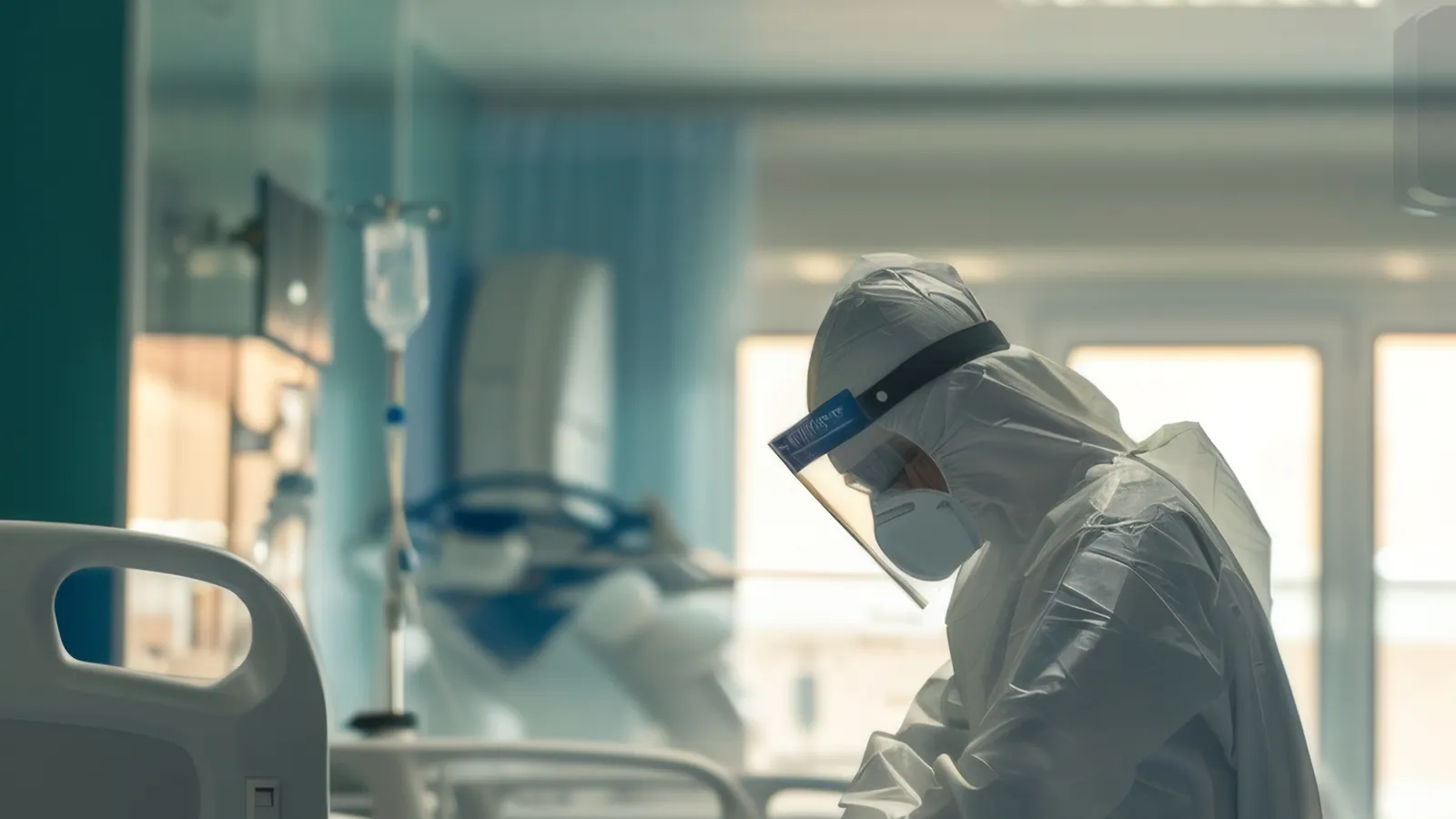
When we think about infection prevention, we often picture doctors and nurses. But some of the most important IPC work in any facility is done by the cleaning team. Many disease causing germs can survive on surfaces, bed rails, door handles, light switches, medical equipment, for long periods, and hands pick them up and carry them to patients.
Good environmental cleaning breaks that chain. Here is what a strong cleaning programme looks like.
Focus on high touch surfaces
Not every surface carries the same risk. High touch surfaces close to the patient, bed rails, call bells, bedside tables, monitors, IV poles, door handles and toilet areas, should be cleaned more frequently, at least daily and more often in high risk areas such as intensive care, theatres and isolation rooms.
Follow the right order
- Clean before you disinfect. Dirt and organic matter protect germs and reduce how well disinfectants work.
- Work from clean to dirty, for example, from the general ward area towards the toilet.
- Work from top to bottom, so that dust and debris fall onto surfaces you have not yet cleaned.
- Use fresh cloths and change them regularly, rather than spreading germs from one area to another.
Use disinfectants correctly
Disinfectants only work when they are prepared at the right strength and left on the surface for the required contact time. Chlorine solutions are widely used in healthcare: WHO guidance commonly recommends 0.1% chlorine for routine disinfection of environmental surfaces and 0.5% for spills of blood or body fluids. Solutions should be freshly prepared, usually daily, and always follow the manufacturer’s instructions and your national guidance.
Equip and protect your cleaning staff
Cleaners need the right equipment, enough supplies, appropriate PPE and, above all, training. They should understand why each step matters, how to handle spills safely, and how to manage healthcare waste and sharps.
Check that cleaning is actually working
Visual inspection alone can miss contamination. Simple checklists, supervisor sign offs and periodic audits, including methods such as fluorescent markers, help confirm that high risk surfaces are being cleaned properly and consistently.
A clean looking room is not always a safe room. Consistent methods, the right products and regular checks make the difference.
How IGCL can help
IGCL reviews cleaning and disinfection practices, writes clear cleaning schedules and protocols, and trains cleaning and nursing teams together so that standards are shared and sustained. Book a consultation to strengthen environmental hygiene in your facility.
Keep reading
All articles
Hand Hygiene: The Simplest, Most Powerful Infection Control Habit in Your Facility
Clean hands remain the single most effective way to stop infections spreading in healthcare. Here is how to turn hand hygiene from a poster…
Read article
The 8 Core Components of an Effective Infection Prevention and Control Programme
WHO’s eight core components give hospitals and health systems a clear blueprint for preventing infections. Here is what each one means in practice, and…
Read article
How to Prepare Your Healthcare Facility for an Infectious Disease Outbreak
Outbreaks rarely announce themselves. Facilities that plan ahead detect cases sooner, protect their staff and keep services running. Here is a practical preparedness checklist.
Read article